Why do we remember a genially and not a PDF?
What makes that click happen in the brain? We've put it to the test: the problem isn't your message, it's how you tell it.
What does our brain like?
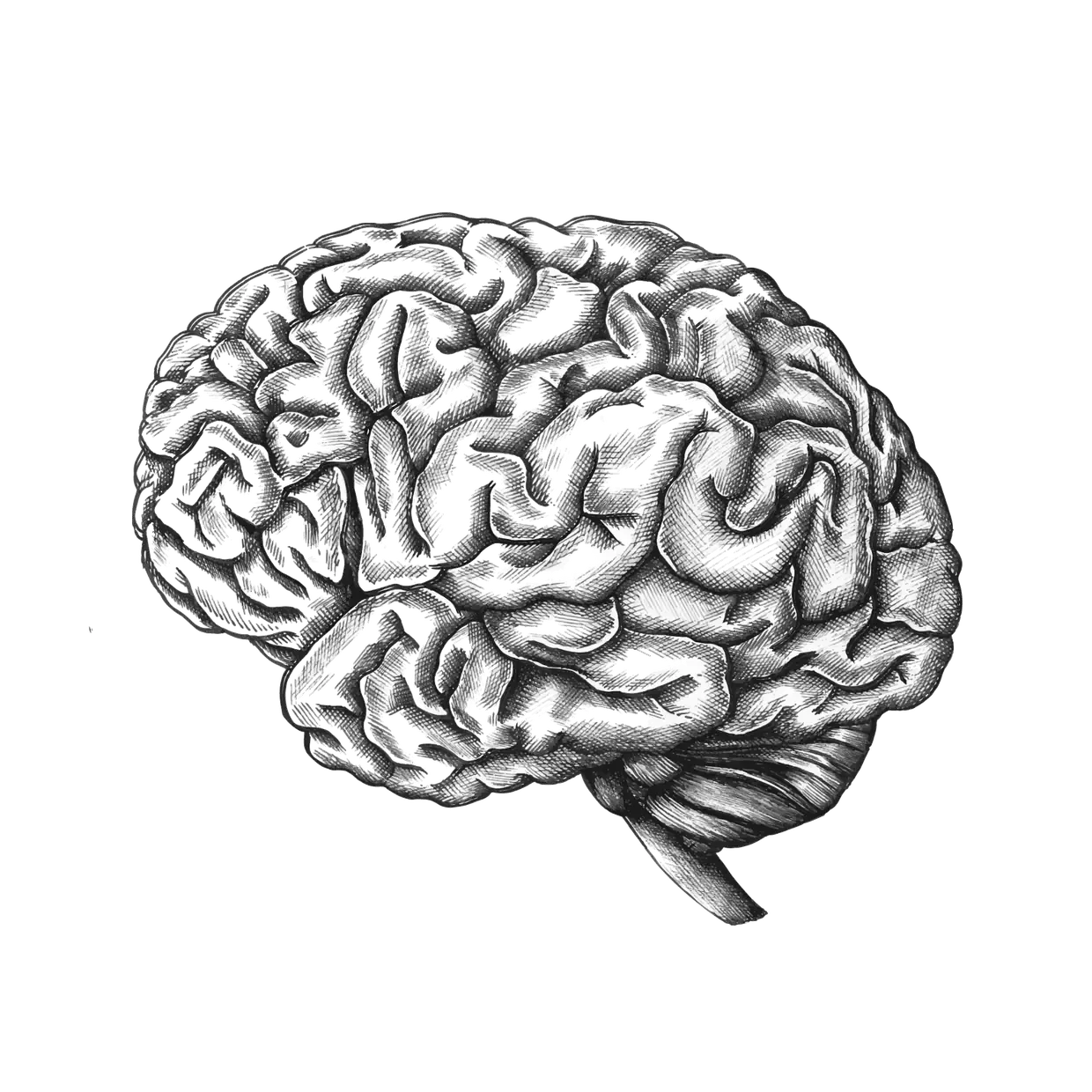
Years of evolution, and our tastes haven't changed. Our ancestors needed to remember where to find food, water, or danger. Those with a better memory survived longer and passed that advantage on to their offspring. Over time, the brain specialized in retaining high-value information.



Context
Facts are remembered up to 22 times better when they're told as part of a story rather than as plain text or lists.
The brain uses narrative as a "retrieval cue": the setting, the characters, and the situation get hooked to the memory and make it easier to bring back later.
Source: Jerome Bruner
Action
When content calls for active participation, people retain up to 42% more information.
Making decisions, exploring, or solving a challenge turns people into the protagonists of their learning, not spectators, and that strengthens how memories form.
Source: Reyes Farias and Vera Ortega, 2025
Emotions
Using gamified, interactive resources helps 80% of students improve their performance, with average scores 25% higher.
Emotion (surprise, challenge, curiosity) activates the amygdala, which helps the hippocampus consolidate memories more strongly. That's why we remember what made us feel something.
Source: Buñay Paguay and Quizhpi Arce, 2025
Valuable content
Well-designed information architecture improves the ability to tell apart and organize complex concepts by 12% to 13%.
Without clarity and structure, interactivity is "beautiful but empty." The brain needs solid mental frameworks, not just stimuli.
Source: Liwayanti, Fiteriani, and Yusandika, 2025
See it in action
A real genially, created with the method. Click to explore it right here.
Straight from educators
Now notes and revision are different. Genially helps students to form a good mental structure and to receive information visually
.png) Esther GarridoHigh School Physics and Math Teacher and Head of Studies at San José Jesuit College
We want students to be engaged in learning and remember it not only an hour later, but maybe months or years later.
 Aubrey OwenCurriculum Design Team Lead, Epic Charter Schools
Grounded in neuroscience, proven in millions of geniallys
After more than 10 years and millions of creations, studies by our community back up Genially's effectiveness for learning
+13%
increase in average grades in Chemical Engineering with Genially, after four years without improvement
95% of students rated the tool very positively.
Source: Journal of Chemical Education
88.9%
of students reached full mastery of the subject, starting from 0%
In high school Chemistry, comparing the pre-test with the post-test after introducing interactive resources.
Source: Ochoa-Vicuña and Moscoso-Bernal, 2024
80%
of students improved their reading comprehension, scoring +25% on average in assessments
Students developed inference skills and went from apathy to curious participation.
Source: Buñay Paguay and Quizhpi Arce, 2025
2.4x
more active participation than in a traditional lecture
More questions, lower cognitive load, and better transfer of knowledge to new situations.
Source: Learning Gate, 2025